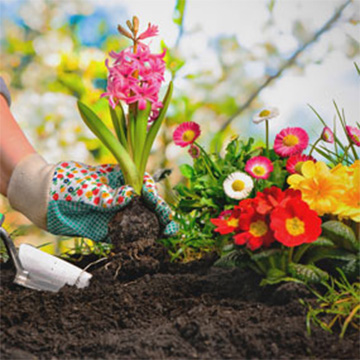


Step 1: How to Choose Your Perfect Timing
In Ireland's unique climate, timing is everything. Start planning your garden in late winter (February-March) when the days grow longer but the ground remains workable.
- March-April: Hardy vegetables like potatoes, onions, and broad beans
- May-June: Tender plants after the last frost risk passes
- September-October: Perfect for spring bulbs and winter vegetables
Best planting months:
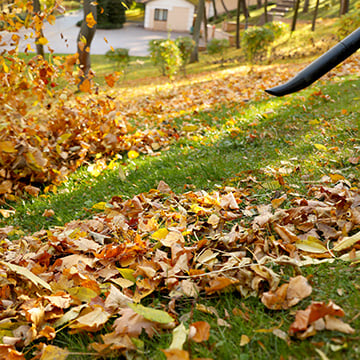
Step 2: How to Select Your Garden Location
Walk around your backyard plot and observe how sunlight moves throughout the day. Most vegetables and flowers need 6-8 hours of direct sunlight.
- Morning sun exposure: (essential for healthy growth)
- Protection from strong winds: (use fences or hedges as natural barriers)
- Good drainage: (avoid areas where water pools after rain)
- Easy access to water
Look For:

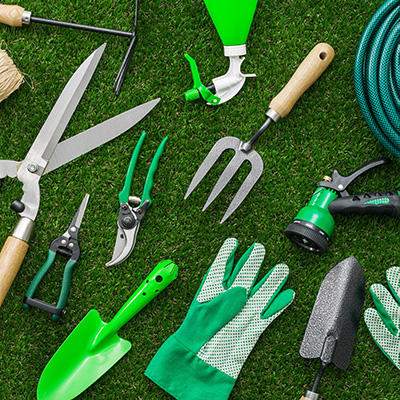
Gardening Accessories

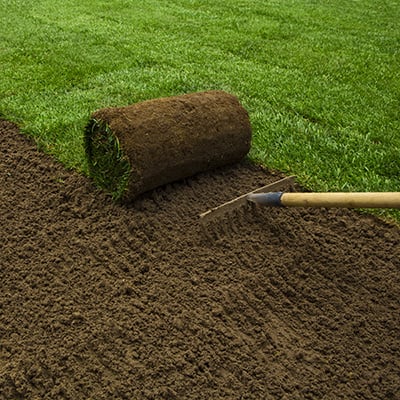
Step 3: How to Prepare Your Soil Foundation
Irish soil tends to be clay-heavy and acidic. Don't worry – you can work with this!
- Remove weeds, grass, and debris
- Mark out your garden boundaries with string or spray paint
- Dig to approximately 30cm deep
Clear the Area:
- Mix in well-rotted compost or aged manure (about 5cm thick layer)
- Add horticultural grit if your soil feels heavy and sticky
- Test soil pH using a simple kit from your local garden centre
Improve your soil:
Step 4: How to Plan Your Garden Layout
Sketch your garden on paper first. This prevents costly mistakes and helps visualise your space.
- Tall plants at the back, shorter ones in front
- Group plants with similar water needs together
- Leave pathways for easy access
- Start small – a 2m x 3m plot is perfect for beginners
Smart layout principle:
Popular Gardening Tools & Accessories
Step 5: How to Choose Your Plants
For Irish gardens, select plants that thrive in cool, moist conditions.
- Potatoes
- Carrots and parsnips
- Lettuce and spinach
- Peas and broad beans
Beginner-friendly vegetables:
- Marigolds (natural pest deterrent)
- Nasturtiums (edible and colourful)
- Sweet peas (fragrant climbers)
- Calendulas (bloom until first frost)
Easy-care flowers:

Step 6: How to Plant your Garden
- Read packet instructions carefully
- Plant at twice the seed's depth
- Space according to mature plant size
- Water gently using a fine spray
For seeds:
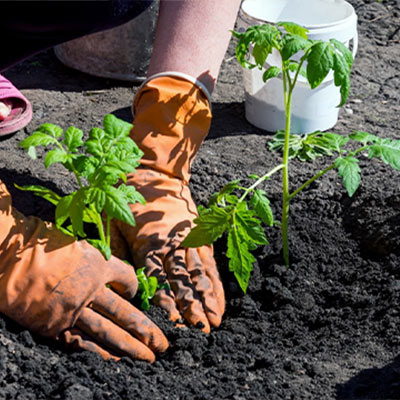
- For seedlings:
- Dig holes slightly larger than root balls
- Water plants before transplanting
- Plant at the same depth as in their pots
- Firm soil gently around roots
- Water thoroughly after planting
Essential Garden Articles



Step 7: How to Establish Your Watering Routine
Irish gardens often receive plenty of natural rainfall, but you'll still need to monitor moisture levels.
- Water deeply, less frequently rather than little and often
- Early morning watering reduces disease risk
- Check soil moisture by inserting your finger 5cm deep
- Mulch around plants to retain moisture and suppress weeds
Watering wisdom:
Step 8: Nurture Your Growing Garden
Your plants need ongoing care to reach their full potential.
- Remove weeds before they establish
- Deadhead flowers to encourage more blooms
- Check for pests and diseases early
- Support tall plants with canes or stakes
Weekly Tasks:
Monthly tasks: