



How To Clean A Mattress
Your mattress hosts up to 10 million dust mites. They feast on dead skin cells and sweat every single night. Not the bedtime buddies you had in mind, right?
These tiny creatures trigger allergies, asthma, and skin problems. Older mattresses? They harbour over 10 million bacteria per square inch.
Here's the bright side. A clean mattress changes everything about your sleep.
Mattress Cleaner Essentials
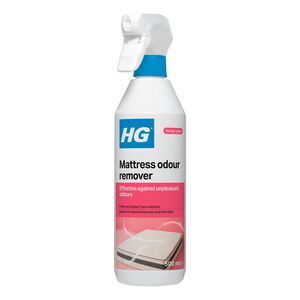
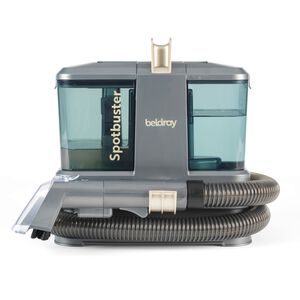
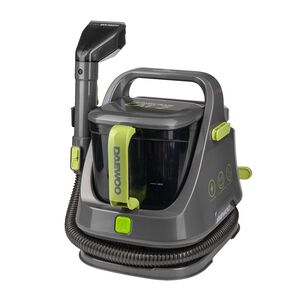
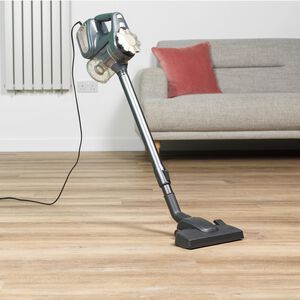
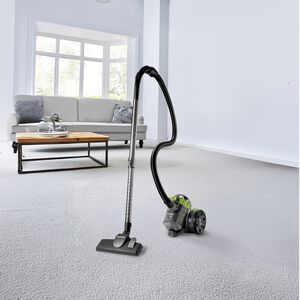
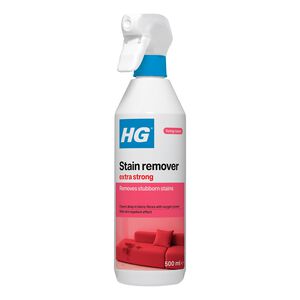
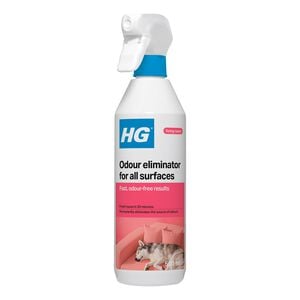
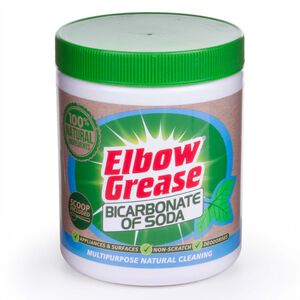
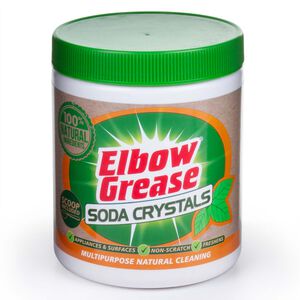

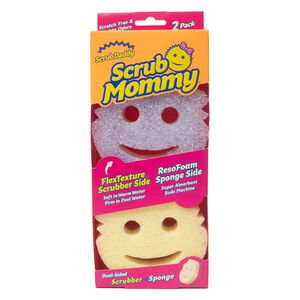
How to Clean A Mattress:
Getting Ready
Plan a deep clean every six months. Spring and autumn work perfectly. These seasons help you stay on track whilst stopping dust buildup.
Quick tip: vacuum your mattress every time you change sheets. It's simple maintenance that keeps those dust mites in check.
Get everything ready before you start. Nothing worse than hunting for supplies halfway through cleaning. Here's what you need:
1. Vacuum cleaner with upholstery attachment
2. Baking soda
3. Spray bottle filled with lukewarm water
4. Mild dish soap or laundry detergent
5. Clean cloths or sponges
6. Essential oils (optional for fragrance)
Grab A Mattress Protector!
Step 1: Remove All Bedding:
Remove all bedding—sheets, pillowcases, blankets, and mattress protectors—so the mattress is bare. Wash everything on hot (60°C or higher) to kill dust mites and bacteria, following care labels to avoid shrinking. Let the mattress breathe by opening windows and check for stains while everything is off.
Step 2: Start With A Good Vacuum:
Use your upholstery attachment on medium power, starting at the headboard and moving down with long, overlapping strokes. Focus on seams, tufting, and crevices where dust mites gather. Switch to the crevice attachment for stitched areas and buttons, and don't forget to vacuum the sides and bottom of the mattress if accessible.
Step 3: Handle Stains the Right Way:
For fresh stains, act quickly. Blot with a clean, dry cloth—don’t rub. Mix one cup of cold water with mild dish soap, dip a cloth, and gently press on the stain for 10-15 minutes. Blot with a dry cloth afterward. For urine stains, use white vinegar; for sweat marks, mix hydrogen peroxide with baking soda.
Step 4: Give It the Baking Soda Treatment
Sprinkle baking soda generously on your mattress to absorb odors and moisture. Leave it for several hours or overnight for stronger smells. Vacuum it away using your upholstery attachment.
Step 5: Steam Clean for Deep Freshness:
Fill your steam cleaner according to the instructions and ensure it reaches at least 100°C to effectively kill bacteria and dust mites. Hold the steam wand about 10 centimetres above your mattress and move slowly in overlapping strokes. Avoid staying too long in one spot to prevent excess moisture and potential mould issues.
Step 6: Dry Everything Thoroughly:
Open windows and position fans to blow across the mattress. If it's humid, use a dehumidifier. Stand the mattress on its side for better air circulation. Drying takes about 3 to 4 hours, depending on ventilation and humidity. Check dryness with a paper towel before putting bedding back on to avoid mold.
FAQs
Q1. How often should I deep clean my mattress? You should deep clean your mattress every six months, ideally at the start of spring and again in autumn. Between these deep cleans, vacuum your mattress monthly and perform a quick vacuum each time you change your sheets to keep dust mites and allergens under control.
Q2. Can I use a steam cleaner on all types of mattresses? No, steam cleaning is not suitable for all mattress types. Whilst it works well for innerspring mattresses, you should never steam clean memory foam or latex mattresses, as the heat and moisture can damage their construction and compromise their integrity.
Q3. What's the best way to remove stains from a mattress? Blot fresh stains immediately with a clean, dry cloth without rubbing. Mix cold water with mild liquid laundry detergent, apply the solution to the stain with a cloth, and let it sit for 10 to 15 minutes before blotting dry. For urine stains, use white vinegar, and for sweat stains, try a mixture of hydrogen peroxide and baking soda.
Q4. How long does it take for a mattress to dry after cleaning? A mattress typically takes a minimum of 3 to 4 hours to dry completely, though this varies depending on ventilation and humidity levels. Open windows, use fans, and consider a dehumidifier to speed up the process. Never replace bedding until the mattress feels completely dry to prevent mould growth.
Q5. When should I replace my mattress instead of cleaning it? You should replace your mattress every 7 to 10 years. Signs that it's time for a replacement include visible sagging, lumps, body impressions, waking with pain, worsening allergies, squeaking springs, or noticeably poor sleep quality compared to sleeping on other beds.