



How Does A Dehumidifier Work?
Dehumidifiers are essential appliances for maintaining a comfortable and healthy indoor environment. They play a crucial role in reducing excess moisture in the air, which can lead to various problems such as mould growth, allergies, and damage to your home. In this article, we will explore how dehumidifiers function, their benefits, and answer some frequently asked questions to help you make informed decisions about using them in your home.
Dehumidifiers and Air Purifiers
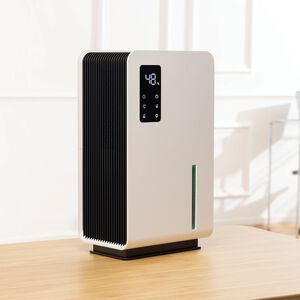
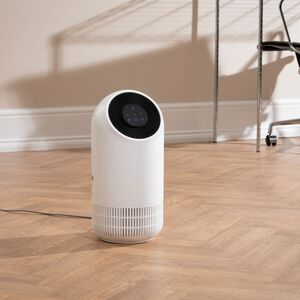

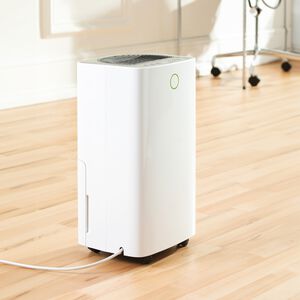
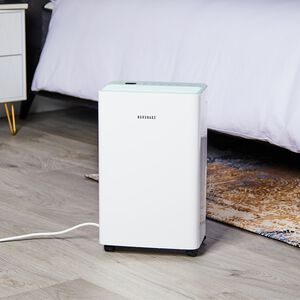
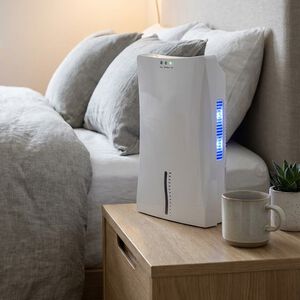
What Does a Dehumidifier Do?
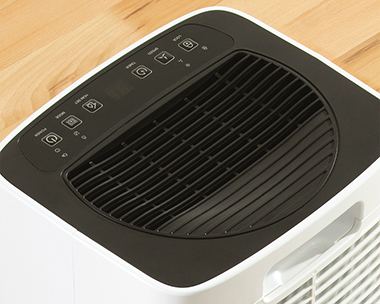
A dehumidifier is a device designed to extract moisture from the air, thereby lowering the humidity levels in a given space. High humidity can create an uncomfortable living environment, leading to feelings of stickiness and discomfort. By using a dehumidifier, you can maintain a more pleasant atmosphere, especially in areas prone to dampness, such as basements or laundry rooms.
Dehumidifiers operate on a straightforward principle: they draw in humid air, remove the moisture, and release drier air back into the room. The process typically involves the following steps:
1. Air Intake: A fan pulls warm, moist air into the unit.
2. Cooling Process: The air passes over cold coils, causing the moisture to condense into water droplets.
3. Water Collection: The collected water drips into a reservoir or is drained away through a hose.
4. Drier Air Release: The now drier air is expelled back into the room.
This cycle continues until the desired humidity level is reached, making your indoor environment more comfortable.
Air Purifier and Dehumidifier
Combining air purification with dehumidification can enhance the overall effectiveness of indoor air quality management. High humidity levels can lead to mould growth and dust mite proliferation, both of which can exacerbate allergies and respiratory issues.
This innovative device combines air purification and humidity control, making it ideal for areas prone to dampness and mould.
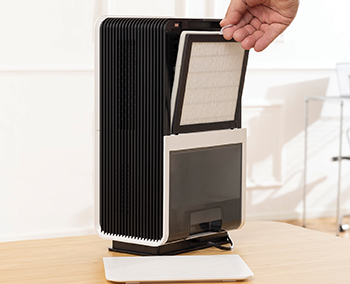
Benefits of Using a Dehumidifier WIth Air Purifier All In One
Using a dehumidifier with an air purifier offers numerous advantages, particularly in regions with high humidity levels. Here are some key benefits:
1. Mould Prevention
Excess moisture in the air creates an ideal environment for mould and mildew to thrive. By maintaining humidity levels below 50%, a dehumidifier helps prevent the growth of these harmful fungi, protecting both your health and your home.
2. Improved Air Quality
High humidity can exacerbate allergy symptoms and respiratory issues. By reducing moisture levels, dehumidifiers with air purifiers can help alleviate problems related to dust mites, mould spores, and other allergens, leading to better indoor air quality.
3. Protection for Your Home
Excess moisture can damage walls, furniture, and other structures in your home. By controlling humidity, dehumidifiers help preserve the integrity of your property and prevent costly repairs.
4. Enhanced Comfort
A dehumidifier can significantly improve your comfort level, especially during hot and humid months. By reducing the stickiness in the air, you can enjoy a more pleasant living environment.
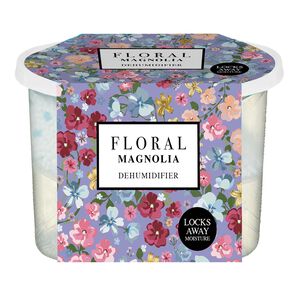
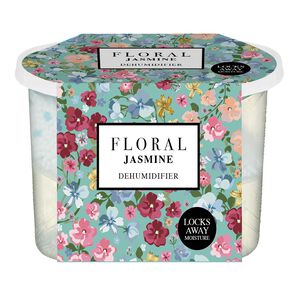
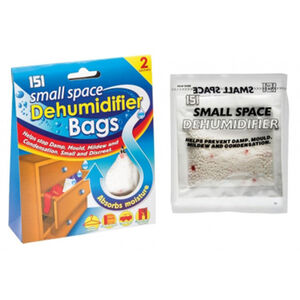
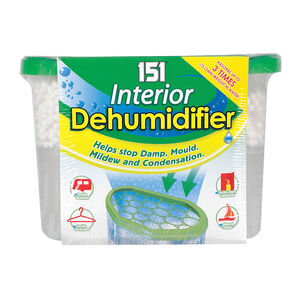
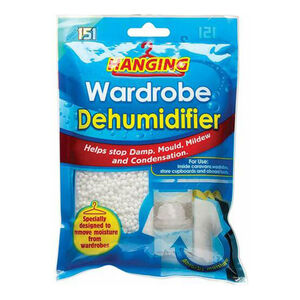
Disposable Wardrobe Dehumidifiers
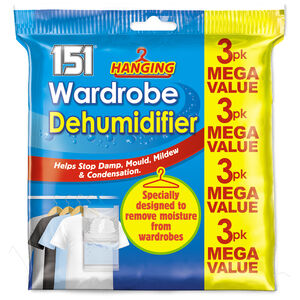
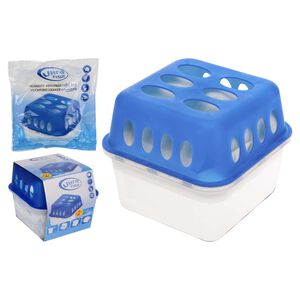
When Should You Use a Dehumidifier?
Knowing when to use a dehumidifier is essential for maximising its benefits. Here are some situations where a dehumidifier is particularly useful:
1. High Humidity Levels: If the humidity in your home consistently exceeds 55%, it’s time to consider using a dehumidifier. This is especially important in areas like basements, bathrooms, and laundry rooms, where moisture tends to accumulate.
2. Post-Flooding or Water Damage After a flood or water leak, a dehumidifier can help dry out the affected area more quickly, preventing mould growth and further damage.
3. Seasonal Changes: During the summer months, humidity levels often rise. Running a dehumidifier during this time can help maintain a comfortable indoor environment.
4. Allergy Season: If you suffer from allergies, using a dehumidifier can help reduce allergens in the air, providing relief during peak allergy seasons.
Common FAQs About Dehumidifiers
1. How Much Water Can a Dehumidifier Remove?
The amount of water a dehumidifier can extract depends on its capacity, the humidity level, and the temperature of the room. Most residential units can remove anywhere from 30 to 70 pints of moisture per day under optimal conditions.
2. Do I Need a Portable or Whole-House Dehumidifier?
The choice between a portable and a whole-house dehumidifier depends on your needs. Portable units are ideal for specific rooms, while whole-house systems are integrated into your HVAC system and can manage humidity levels throughout your entire home.
3. How Often Should I Run My Dehumidifier?
The frequency of use depends on the humidity levels in your home. During particularly humid periods, you may need to run it continuously, while in drier months, you can use it less frequently.
4. Can I Use the Water Collected by the Dehumidifier?
The water collected in the dehumidifier’s tank is generally not safe for drinking, as it may contain impurities. However, it can be used for watering plants or other non-potable uses.
5. How Do I Maintain My Dehumidifier?
Regular maintenance is essential for optimal performance. This includes emptying the water reservoir, cleaning the filter, and ensuring the coils are free from dust and debris.