


Your Complete Guide to Garden Composting Basics
Transform your kitchen scraps into garden gold with this beginner-friendly composting journey! Composting reduces waste whilst creating nutrient-rich soil that'll make your plants absolutely thrive.
What Tools Do I need?
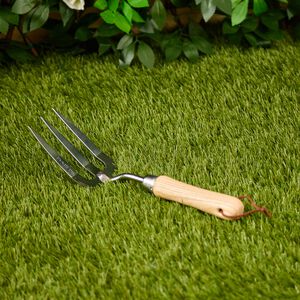
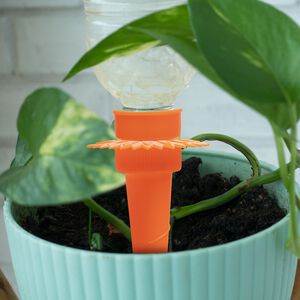
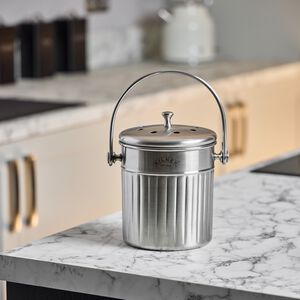
Step 1. How to Choose Your Location
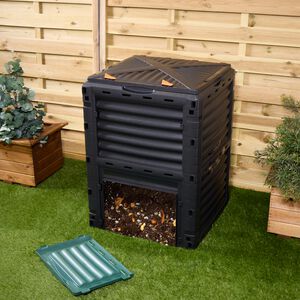
Position your bin in a partially shaded spot with excellent drainage – ideally receiving 4-6 hours of morning sunlight. Avoid completely sunny areas that dry out quickly or deeply shaded spots that remain too cool. Ensure easy access from your kitchen for daily additions, and consider proximity to a water source for moisture management. Pro tip: Place your bin on soil rather than concrete to allow beneficial microorganisms and earthworms to migrate upwards into your compost.
Step 2. How to Create Your Base Layer
Start with coarse materials like small twigs, pruned branches, or shredded newspaper to create a 15cm foundation layer. This crucial step ensures proper airflow circulation, preventing anaerobic conditions that cause unpleasant odours.
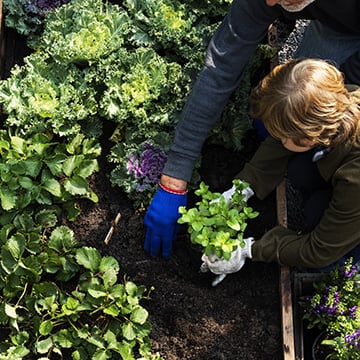
Step 3. How to Master the Green-Brown Balance
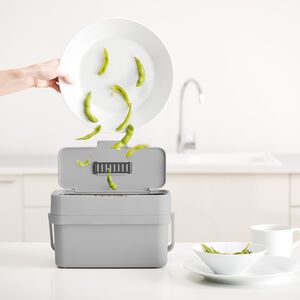
- Greens: Kitchen scraps, fresh grass clippings, coffee grounds
- Browns:Dried leaves, paper, cardboard
- Golden Ratio: 3 parts brown to 1 part green
Step 4. How to Layer Correctly
Alternate green and brown materials, keeping layers roughly 15cm thick. Start with browns, add greens, then cover with browns again. Each layer should be lightly watered to achieve optimal moisture levels.
Step 5. How to Maintain Moisture
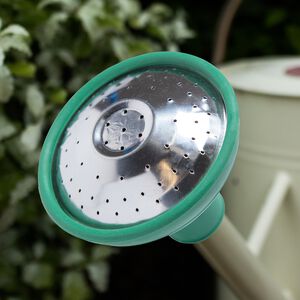
Your compost should feel like a wrung-out sponge – moist but not dripping. Squeeze a handful; if water drips out, add dry browns. If it feels dusty and dry, sprinkle with water or add fresh greens. During rainy periods, cover your pile with a tarp to prevent waterlogging. In dry weather, water weekly, focusing on the centre where decomposition is most active.
Step 6. How Often Do I turn Compost
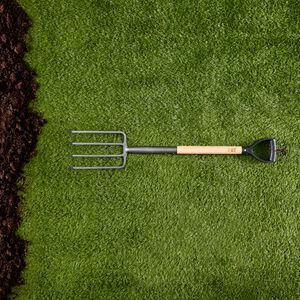
Mix your pile every 2-3 weeks using a garden fork or compost aerator tool. This introduces essential oxygen that feeds beneficial bacteria and accelerates decomposition. Turn from outside to inside, bringing cooler materials to the centre where heat builds up. Regular turning prevents anaerobic conditions and reduces composting time from 12 months to just 3-6 months.
Step 7. Monitor Progress
Healthy compost heats up to 40-60°C within days of building, then gradually cools as materials break down. You'll notice visible decomposition within 2-3 weeks.